My Roots
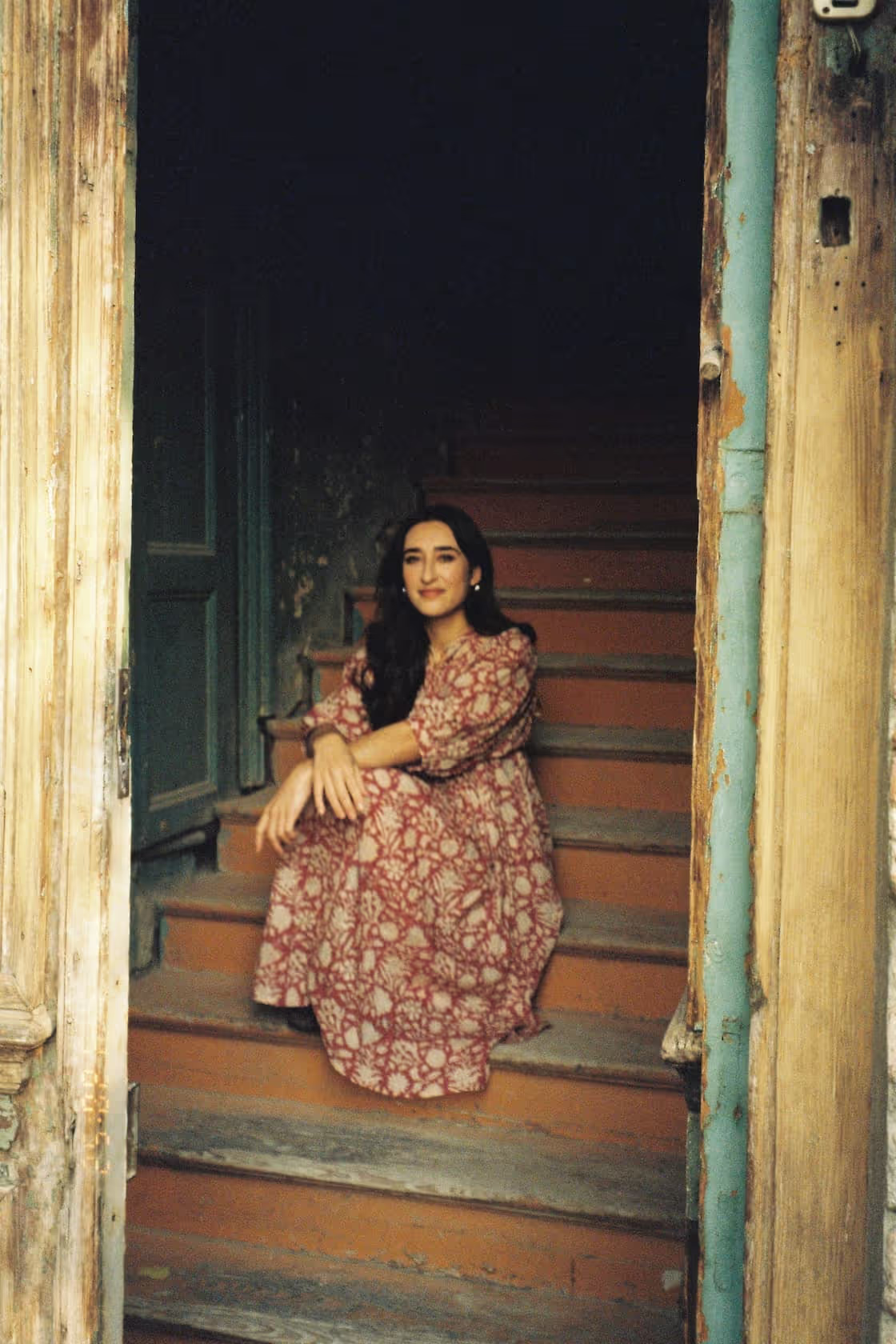
I live in an old house. Cracked, worn, imperfect on the outside, but inside it is alive, full of character, warmth, and energy. I chose this home as a reflection of the human heart. We can be weathered by what we have lived through and still hold so much beauty, depth, feeling, and love beneath the surface.
I have always been drawn to things that carry their history openly. The things that have been lived in and loved. I think there is something deeply meaningful in noticing what has become worn, honouring the places that have been affected by life, and choosing to tend to them. It’s kintsugi: repair with intention. Don’t erase. Allow the mending to become part of what it becomes.
I came to understand this in a very personal way. I experienced a loss that uprooted something fundamental in me. I knew how to adapt, carry things, function, and move forward. But eventually, parts of myself began asking for something different. To be noticed, cared for, and to feel safe. I experienced physical and internal symptoms without clear answers, along with fatigue and tension that eventually brought me to capacity. Slowing down and paying attention became an important part of learning to relate to myself differently.
This was where I first began to understand interoception—the practice of noticing and making sense of what is happening within us through our internal sensations. I became increasingly aware of the relationship between the mind and body, and how our experiences can shape the way we breathe, hold tension, move, respond, connect, protect, and love. I also began to appreciate the quieter language of the heart—the emotional and relational dimensions of ourselves that can be difficult to put into words. Learning to notice these different layers of experience allowed me to become more attuned to and more understanding of myself, and ultimately, to the way I understood and showed up for the people and world around me.
This space exists as a salve for those who have carried heavy experiences. I carry a deep belief in the importance of feeling safe enough to be seen and held in our experience. There is often wisdom in what our systems are trying to communicate, even when those messages can feel uncomfortable or difficult to understand. We deserve relationships with ourselves and with others that make room for curiosity, honesty, complexity, vulnerability, and change. To be witnessed, understood, and met in this way can give us a sense of belonging that many of us have been longing for. With the right kind of attention and support, we can begin to listen differently.
We don’t have to become untouched by life. We don’t have to turn our wounds into something beautiful. Sometimes the smallest ways of showing up for ourselves, in whatever condition we find ourselves in, are meaningful acts of courage. They can become the beginning of a relationship with ourselves that feels more trusting and whole.
When you are ready, I am here to witness you with the same tenderness that helped me slowly come home to myself, and to believe that I was worth caring for and staying for.
I have always been drawn to things that carry their history openly. The things that have been lived in and loved. I think there is something deeply meaningful in noticing what has become worn, honouring the places that have been affected by life, and choosing to tend to them. It’s kintsugi: repair with intention. Don’t erase. Allow the mending to become part of what it becomes.
I came to understand this in a very personal way. I experienced a loss that uprooted something fundamental in me. I knew how to adapt, carry things, function, and move forward. But eventually, parts of myself began asking for something different. To be noticed, cared for, and to feel safe. I experienced physical and internal symptoms without clear answers, along with fatigue and tension that eventually brought me to capacity. Slowing down and paying attention became an important part of learning to relate to myself differently.
This was where I first began to understand interoception—the practice of noticing and making sense of what is happening within us through our internal sensations. I became increasingly aware of the relationship between the mind and body, and how our experiences can shape the way we breathe, hold tension, move, respond, connect, protect, and love. I also began to appreciate the quieter language of the heart—the emotional and relational dimensions of ourselves that can be difficult to put into words. Learning to notice these different layers of experience allowed me to become more attuned to and more understanding of myself, and ultimately, to the way I understood and showed up for the people and world around me.
This space exists as a salve for those who have carried heavy experiences. I carry a deep belief in the importance of feeling safe enough to be seen and held in our experience. There is often wisdom in what our systems are trying to communicate, even when those messages can feel uncomfortable or difficult to understand. We deserve relationships with ourselves and with others that make room for curiosity, honesty, complexity, vulnerability, and change. To be witnessed, understood, and met in this way can give us a sense of belonging that many of us have been longing for. With the right kind of attention and support, we can begin to listen differently.
We don’t have to become untouched by life. We don’t have to turn our wounds into something beautiful. Sometimes the smallest ways of showing up for ourselves, in whatever condition we find ourselves in, are meaningful acts of courage. They can become the beginning of a relationship with ourselves that feels more trusting and whole.
When you are ready, I am here to witness you with the same tenderness that helped me slowly come home to myself, and to believe that I was worth caring for and staying for.